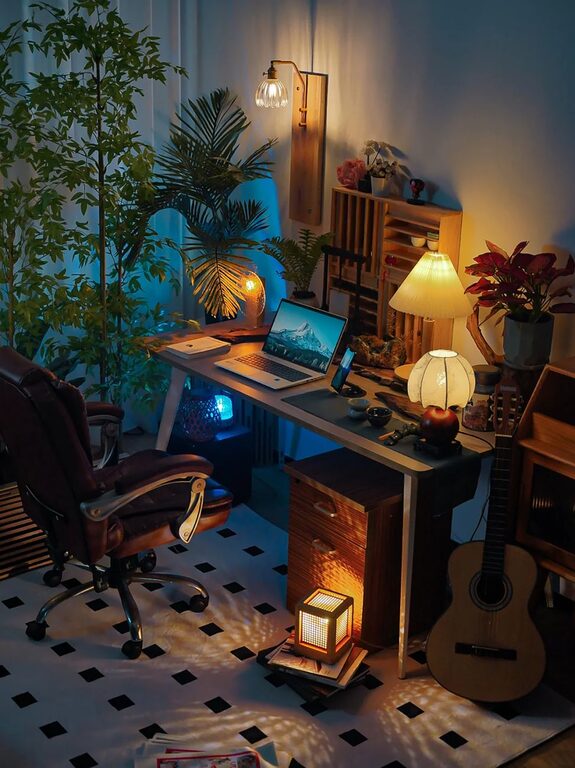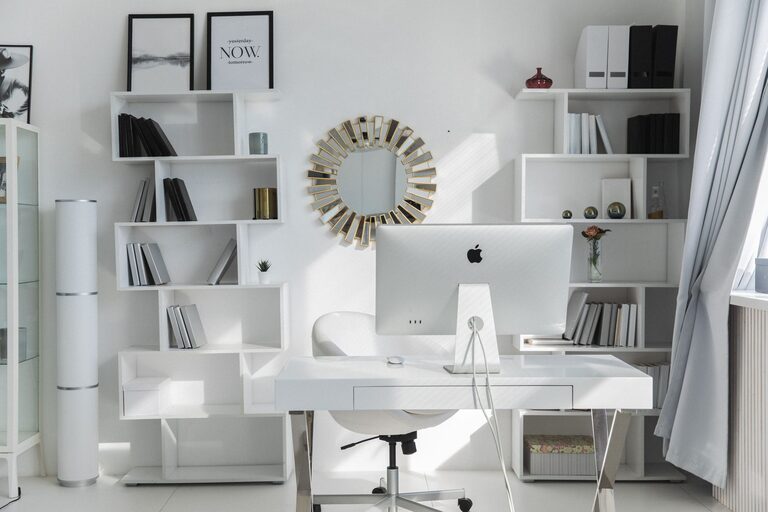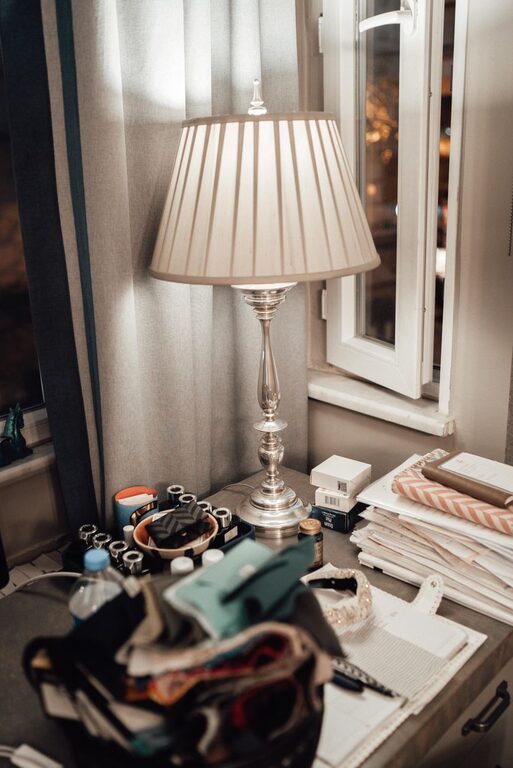
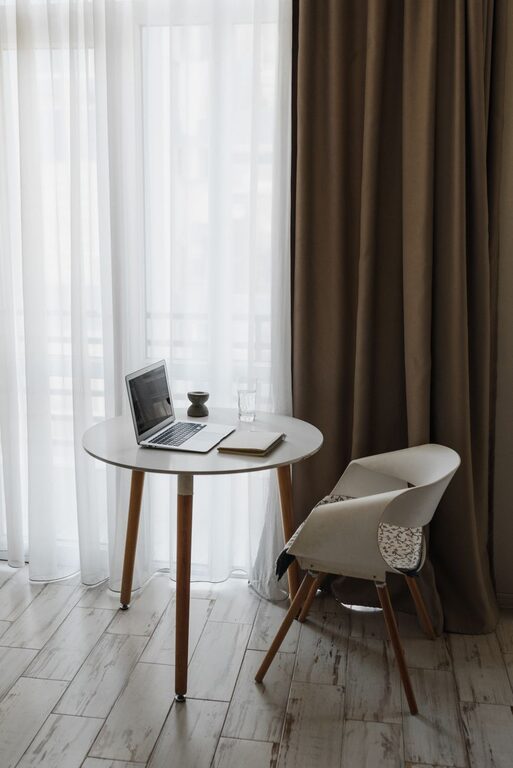
Creating a relaxing home workspace is essential for anyone working remotely or studying from home. A calming environment can boost your focus, increase your efficiency, and reduce feelings of stress. Whether you’re setting up a new office area or improving an existing space, these tips will help you design a workspace that feels both comfortable and productive.
Why a Relaxing Workspace Matters
Your environment directly impacts your mindset and work output. A disorganized or stressful setup can cause distractions and fatigue. Conversely, a well-planned workspace supports concentration, encourages comfort, and even promotes creativity. Making your workspace relaxing doesn’t mean it has to be bland—it means creating a space that feels inviting, functional, and inspiring.
Choose the Right Location
Find a Quiet Spot
Select a spot in your home where you can work without interruptions or loud noises. If you don’t have a separate room, try to use a corner or area that feels separate from everyday activities.
Use Natural Light
Natural light is one of the best ways to reduce eye strain and improve mood. Position your desk near a window if possible, but avoid glare on your computer screen. If natural light is limited, invest in good quality lighting that mimics daylight.
Invest in Comfortable Furniture
Ergonomic Chair
An ergonomic chair supports your posture and prevents back pain. Look for one with adjustable height, lumbar support, and comfortable cushioning. Sitting comfortably helps maintain focus for longer periods.
Desk at Proper Height
Your desk should allow your arms to rest comfortably when typing or writing, typically at elbow height. Adjustable desks or standing desks are great options if you want flexibility.
Declutter and Organize
Keep It Simple
A clutter-free workspace helps reduce stress and distractions. Only keep the essentials on your desk, such as your computer, notebook, and a few necessary supplies.
Use Storage Solutions
Use organizers, drawers, and shelves to store items that you don’t use regularly. Label containers if necessary. This keeps important items easy to find, preventing unnecessary frustration.
Add Soothing Elements
Colors Matter
Choose calming colors like soft blues, greens, or neutrals for your workspace. These shades can create a restful environment and help lower anxiety.
Plants and Greenery
Indoor plants improve air quality and bring a touch of nature indoors. They also have been shown to boost mood and productivity. Even a small succulent on your desk can make a difference.
Personal Touches
Add items that make you happy or inspire you, such as photos, art, or meaningful objects. Avoid overcrowding your space but allow a bit of personality to shine through.
Manage Noise Levels
Noise-Canceling Headphones
If background noise is unavoidable, noise-canceling headphones can help you focus by blocking distractions.
Background Sounds
Some people work better with light background sounds, such as soft music or nature sounds. Experiment with what works best for your concentration.
Maintain Good Air Quality and Temperature
Ventilate your workspace regularly to keep air fresh. If possible, open windows or use an air purifier. Maintain a comfortable temperature to avoid feeling too hot or cold, as discomfort can interrupt your work flow.
Establish a Daily Routine
Set Specific Work Hours
Having consistent work hours helps your mind separate work time from relaxation time. Try to start and end your workday at the same time to build good habits.
Take Regular Breaks
Short breaks every hour can reduce eye strain and mental fatigue. Use this time to stretch, walk around, or practice deep breathing to stay refreshed.
Use Technology Wisely
Organize Your Digital Space
A clean digital desktop and organized files help reduce stress and improve efficiency. Use folders and clear out old files regularly.
Minimize Distractions
Turn off unnecessary notifications on your devices during work hours. Apps that block distracting websites can also help maintain focus.
Keep Your Workspace Clean
Regularly wipe down your desk, keyboard, and mouse to maintain hygiene. A clean environment is more inviting and feels less chaotic.
—
By following these tips, you can transform your home workspace into a relaxing haven where productivity flourishes. Remember, the goal is not just to work harder but to work smarter and more comfortably. Experiment with these ideas and adjust them to suit your personal preferences for the best results.
About the Author