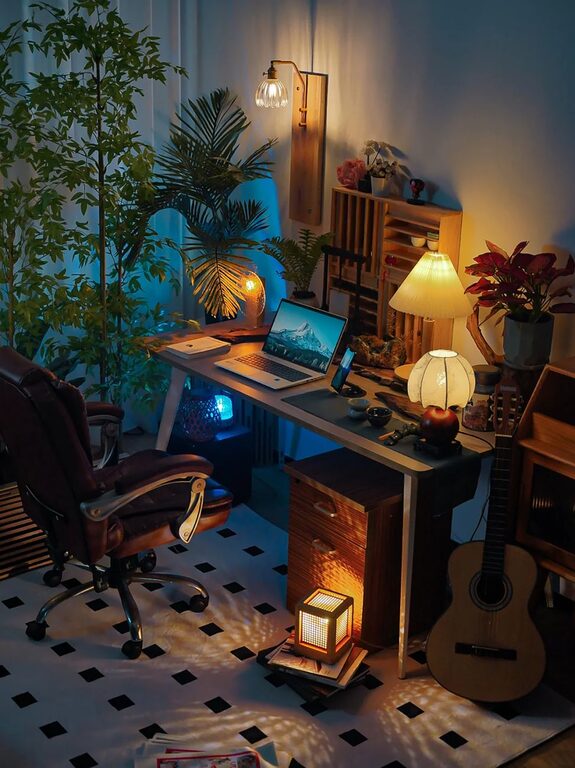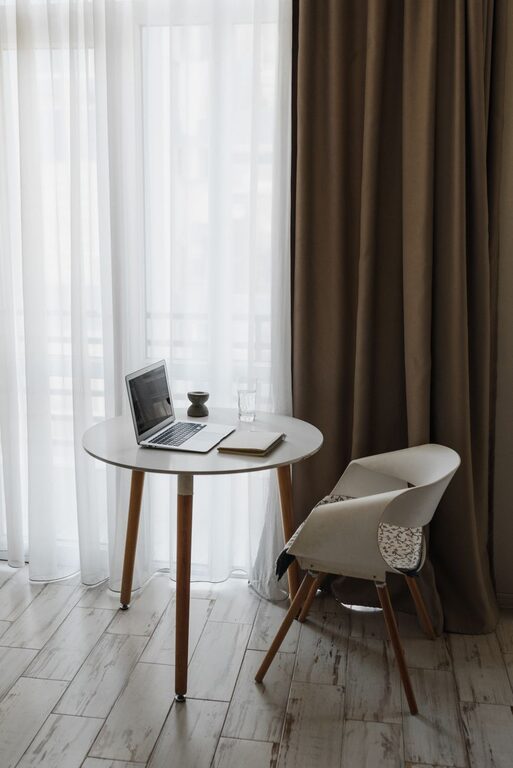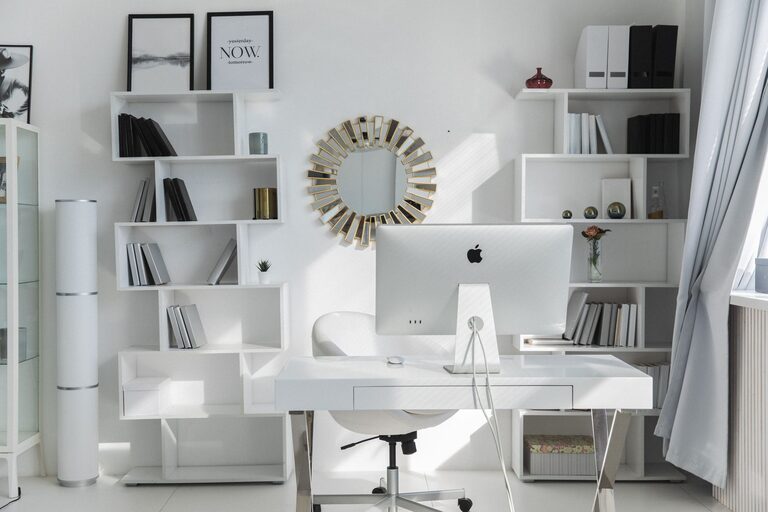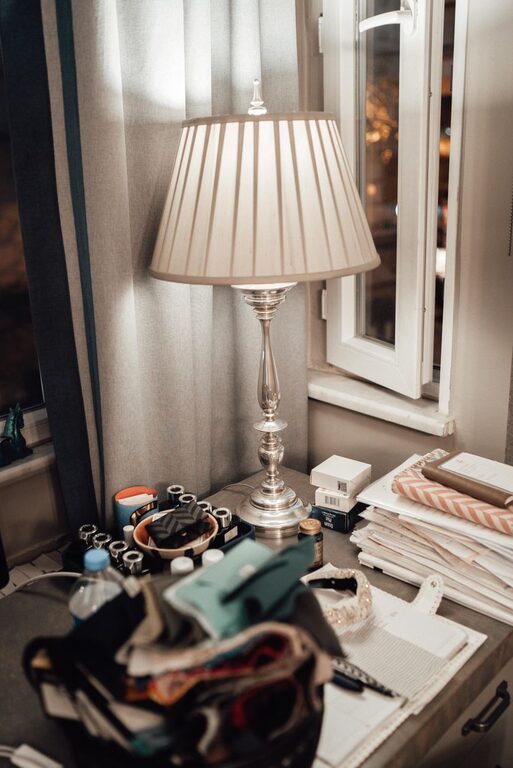

Creating a relaxing home workspace is key to maintaining productivity and focus throughout the day. Many of us spend hours working from home, and having a space that feels calming and organized can make a big difference in how well we perform and how much we enjoy our work. Whether you have a dedicated room or just a small corner, this guide will help you transform your workspace into a peaceful place designed for productivity.
Why a Relaxing Workspace Matters
A cluttered or noisy workspace can lead to distractions, stress, and burnout. On the other hand, a space designed with relaxation in mind can:
– Reduce anxiety and mental fatigue
– Improve concentration and creativity
– Encourage consistent work habits
– Support better posture and physical health
With these benefits in mind, here’s how you can create a workspace tailored to your comfort and efficiency.
Choose the Right Location
Find a Quiet Spot
Pick a part of your home that is relatively free from noise and interruptions. If possible, select a room with a door you can close to create a clear boundary between work and home life.
Natural Light is Essential
Set up your workstation near a window to take advantage of natural light. Sunlight can improve mood and alertness. If natural light is limited, choose full-spectrum bulbs to mimic daylight.
Invest in Comfortable Furniture
Ergonomic Desk and Chair
Your desk and chair should support good posture. Look for adjustable chairs that promote lumbar support and desks at the right height to avoid strain.
Personalize Your Setup
Add cushions, footrests, or wrist supports to increase comfort during long work sessions.
Organize Your Space Thoughtfully
Declutter Regularly
Keep your desk clear of unnecessary items. Use organizers such as trays, drawers, or shelves to store supplies neatly.
Minimalist Design
A simple, distraction-free environment helps maintain focus. Stick to a few key decorations or plants that bring joy without overwhelming the space.
Control Lighting and Noise
Use Soft Lighting
Avoid harsh overhead lights. Consider desk lamps with adjustable brightness and warm light settings.
Manage Sound
If ambient noise is an issue, use noise-cancelling headphones or background music designed for focus. Alternatively, white noise machines can help mask distractions.
Incorporate Elements of Nature
Add Plants
Indoor plants improve air quality and create a calming atmosphere. Choose low-maintenance species like succulents or pothos.
Natural Materials
Wood, stone, or woven textures can bring warmth and a soothing feel to your workspace.
Set Clear Boundaries and Routines
Define Work Hours
Stick to a schedule that balances productivity with breaks. This helps your brain associate your workspace with focused work time.
Take Regular Breaks
Step away from your desk every hour to stretch or relax. This promotes mental refreshment and physical well-being.
Personal Touches for Motivation
Inspirational Quotes or Art
Display items that uplift and inspire you without cluttering your workspace.
Scent and Atmosphere
Use essential oil diffusers or candles with calming scents like lavender or eucalyptus to create a pleasant environment.
Keep Technology Organized and Efficient
Cable Management
Tidy up cords with clips or sleeves to reduce visual clutter and improve safety.
Efficient Device Placement
Arrange monitors, keyboards, and other devices ergonomically to reduce strain and maintain a clean look.
—
Creating a relaxing home workspace doesn’t require a big renovation or expensive purchases. Small changes made thoughtfully can transform your work environment into a calm and productive haven. By prioritizing comfort, organization, and a touch of nature, you set yourself up for a more enjoyable and effective workday at home. Take some time this week to assess your workspace and try out these tips—you’ll likely notice a positive difference in your focus and mood.
About the Author