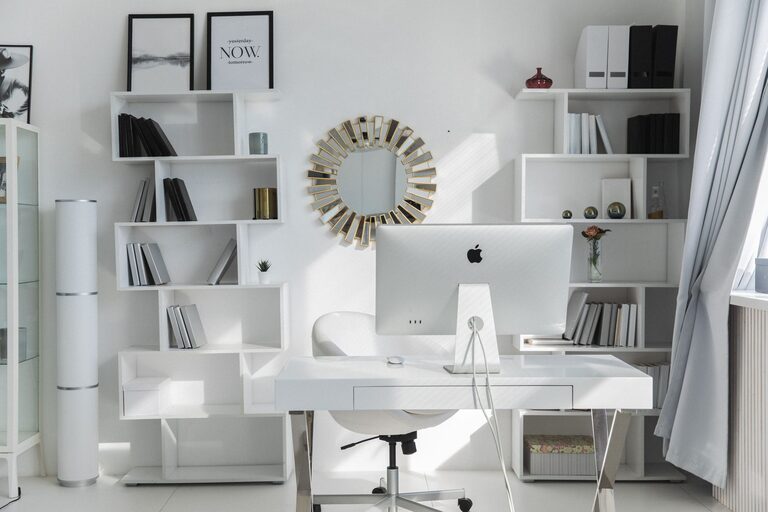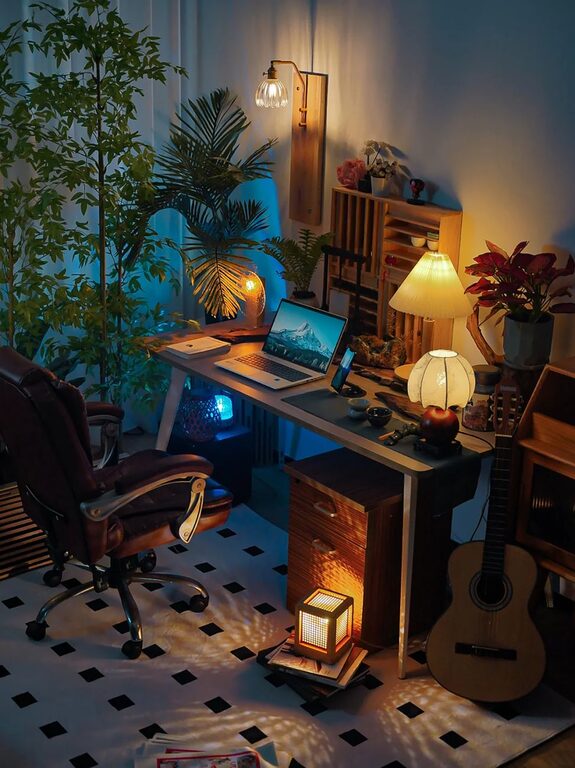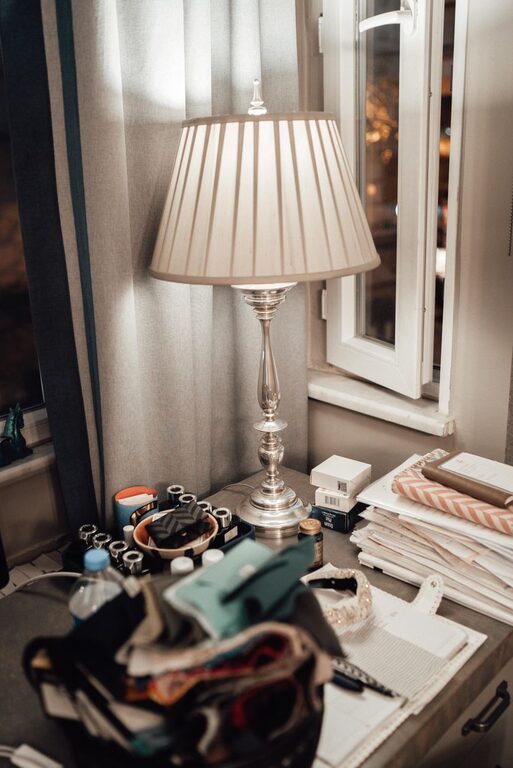

Creating a productive home office environment is essential for staying focused and motivated while working remotely. Whether you’re a full-time remote worker or occasionally work from home, designing a space that supports your professional needs and personal comfort can make a big difference in your daily productivity. In this article, we’ll explore practical tips to help you create a home office that encourages efficiency, organization, and well-being.
Choose the Right Location
The first step to a productive home office is selecting the best spot in your home. Ideally, this space should be quiet with minimal distractions. Here are some points to consider:
– Natural Light: A spot near a window provides natural light, which can improve mood and reduce eye strain.
– Privacy: Choose a location where you can close a door or minimize interruptions from family members or roommates.
– Space: Ensure there’s enough room for your desk, chair, and any equipment or supplies you need.
Invest in Ergonomic Furniture
Comfort plays a significant role in productivity. Spending long hours in an uncomfortable chair or hunched over a desk can lead to physical discomfort and distraction. Consider the following ergonomic tips:
– Chair: Use an adjustable chair with good lumbar support to maintain proper posture.
– Desk Height: Your desk should allow your forearms to rest comfortably parallel to the floor when typing.
– Monitor Position: The top of your screen should be at or slightly below eye level to avoid neck strain.
Organize Your Workspace
Clutter can negatively affect your focus. Keeping your home office tidy and organized helps you find what you need quickly and fosters a calm work environment.
– Declutter Regularly: Remove unnecessary items from your desk daily.
– Use Storage Solutions: Shelves, filing cabinets, and baskets can help store documents and supplies neatly.
– Cable Management: Use clips or sleeves to organize cords and keep them off your workspace.
Optimize Lighting
Good lighting reduces eye fatigue and helps maintain alertness.
– Combine Natural and Artificial Light: Use a combination of sunlight and task lighting, such as a desk lamp, to brighten your workspace.
– Avoid Glare: Position your monitor to avoid reflections from windows or overhead lights.
– Consider Adjustable Lighting: Adjustable lamps can be tailored to your needs during different times of the day.
Set Up Technology Efficiently
Reliable technology is critical when working from home.
– High-Speed Internet: Ensure a strong and stable internet connection to handle video calls and online tasks smoothly.
– Efficient Equipment: Invest in a good-quality computer, printer, headphones, and other necessary devices.
– Backup Solutions: Use cloud storage or external hard drives to protect your data.
Establish Boundaries and Routines
Working from home requires clear boundaries between work and personal life.
– Work Hours: Set regular working hours and communicate them to those you live with.
– Break Times: Schedule short breaks to stretch, move around, or relax.
– Start and End Rituals: Develop routines to signal the beginning and end of your workday, such as a morning coffee or an evening walk.
Personalize Your Space
Adding personal touches makes your workspace inviting and motivating.
– Plants: Indoor plants can improve air quality and create a calming atmosphere.
– Artwork: Inspirational prints or photos add character without causing distraction.
– Comfort Items: Use cushions, a wrist rest, or a footrest to increase comfort.
Minimize Distractions
Limit common distractions to maintain focus.
– Noise Control: Use noise-canceling headphones or white noise machines if you’re in a noisy area.
– Notifications: Turn off nonessential phone or computer notifications during work hours.
– Separate Work and Leisure: Avoid working from bed or the couch if possible, to create a mental distinction between work and relaxation.
Keep Healthy Habits in Mind
A productive home office supports your overall well-being.
– Stay Hydrated: Keep a water bottle nearby to encourage regular hydration.
– Move Regularly: Take breaks that include stretching or short walks to reduce stiffness.
– Maintain Good Posture: Check your seating and screen setup throughout the day.
—
Creating a productive home office environment involves thoughtful planning and ongoing adjustments. By choosing the right location, investing in ergonomic furniture, organizing your space, and setting clear boundaries, you can improve your focus and work satisfaction. Personalizing your workspace and maintaining healthy habits will further enhance your ability to work efficiently from home. Following these tips will help you enjoy a productive and comfortable home office tailored to your needs.
About the Author